Local detail
Where People Go Wrong
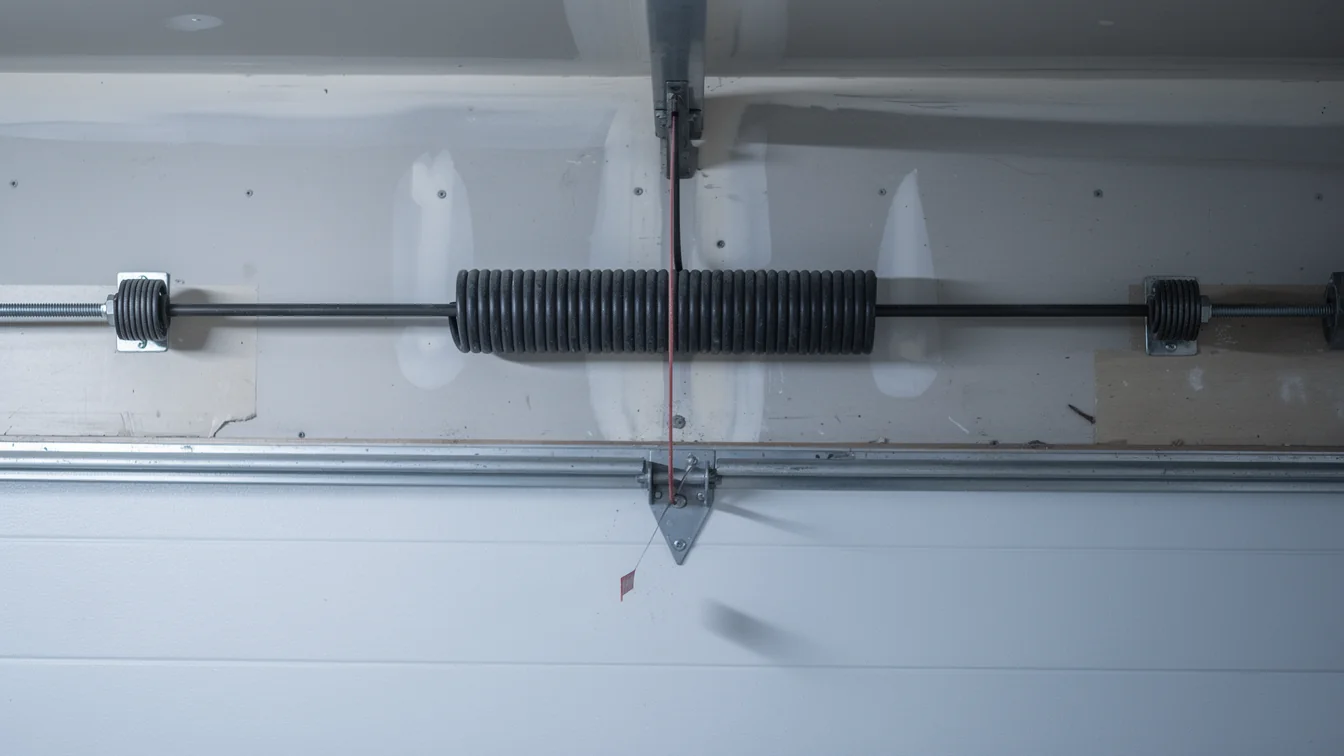
Most of the calls we see start the same way: somebody looked up a generic checklist, oiled the hinges, and still got stuck with a door that won't open. That advice isn't wrong, it's just not written for what's actually hanging in Killeen garages. Most houses in this area went up between 1975 and 2018, with the median build year sitting around 1995. That's squarely the era of mass-produced steel sectional doors on light-duty extension or torsion springs sized for a lighter door than what a lot of homeowners have since bolted on top of them. People add an insulated replacement panel set, a heavier opener, or a side load of storage racks, and never check whether the original spring can still lift the extra weight. Across the eleven communities we cover - Fort Hood five miles out, Harker Heights and Nolanville close in, Copperas Cove, Kempner, Belton, Salado, Florence, Morgan's Point Resort, Briggs, and Jarrell further out - that same builder-grade 1980s and 90s stock dominates. The fix usually isn't exotic. It's matching hardware to a door that's thirty-plus years old, not treating it like it rolled off a lot last year. One honest limit: if the drum and shaft are rusted or pitted from age, we're not going to keep patching around them - at that point replacing the spring assembly is the job, not a Band-Aid.
The area
What the Weather Here Does to It
The climate band around Killeen is mild with only occasional freeze, which means most of the wear on these doors comes from heat and dust cycling, not ice damming or deep cold. Steel panels expand and contract through long stretches of Texas heat, and over a few decades that cycling works bolts loose and dries out the lubricant in roller bearings faster than a mild-climate checklist would suggest. Dust and grit get into track channels during dry spells and grind down rollers that would otherwise last years longer. Then the rare freeze hits - usually just a night or two a year - and it's the first real cold snap that exposes everything the heat already weakened: a torsion spring with metal fatigue from summer expansion can snap on that one cold morning, not because the freeze caused the damage but because it's the stress test that finally breaks a part already near its limit. We don't get the weatherstrip-cracking winters some parts of the country deal with, so if someone's selling you a heavy-duty cold-weather kit for a Killeen garage, that's probably not where your money needs to go. Spend it on bearings and hardware instead.
What we find
What Is Going On
With 19,069 owner-occupied houses across the service area, and most of that stock built in the same 1980s-to-90s window, replacement parts sizing catches more homeowners off guard than anything else. A spring, cable, or drum that worked fine for twenty-five years on the original door suddenly doesn't match once a heavier insulated door goes in, or once an owner swaps to a bigger two-car opener. That's not a defect, it's a mismatch between 1990s hardware and a door that's been upgraded since. We also see a fair number of doors where the track was never adjusted after the original settling period of a new-construction home - something common in houses built during Killeen's growth years tied to Fort Hood. A door that's run slightly misaligned for two decades usually still works, right up until a roller finally jumps the track. None of this is rare or mysterious. It's what you'd expect from a housing stock this age in a service area this size, and it's also why a quick phone diagnosis before a truck roll out can save someone a service call for a part we don't stock and would need to order.
How we work
What Changes With the Season
Summer in this part of Texas means long stretches of heat that keep steel expanded most of the day, so doors installed slightly tight in cooler months can bind by July. That's the season we see the most opener strain calls - the motor working harder against a door that isn't moving as freely as it should. Fall and winter bring the one or two freeze nights a year, which is when a spring that's been fatiguing all summer is most likely to actually let go. It's also when people first notice a draft under the door, since builder-grade doors from the 1980s and 90s often used a thinner bottom seal than what's standard now. Spring is dust and pollen season here, and that grit works into track channels and roller bearings faster than most owners expect, which is why a once-a-year clean-and-lube visit timed for early spring does more good in this area than scheduling it around a traditional
Talk to a local pro
Garage door trouble in Killeen?
Same-day service with honest, upfront quotes.