Local detail
Where People Go Wrong
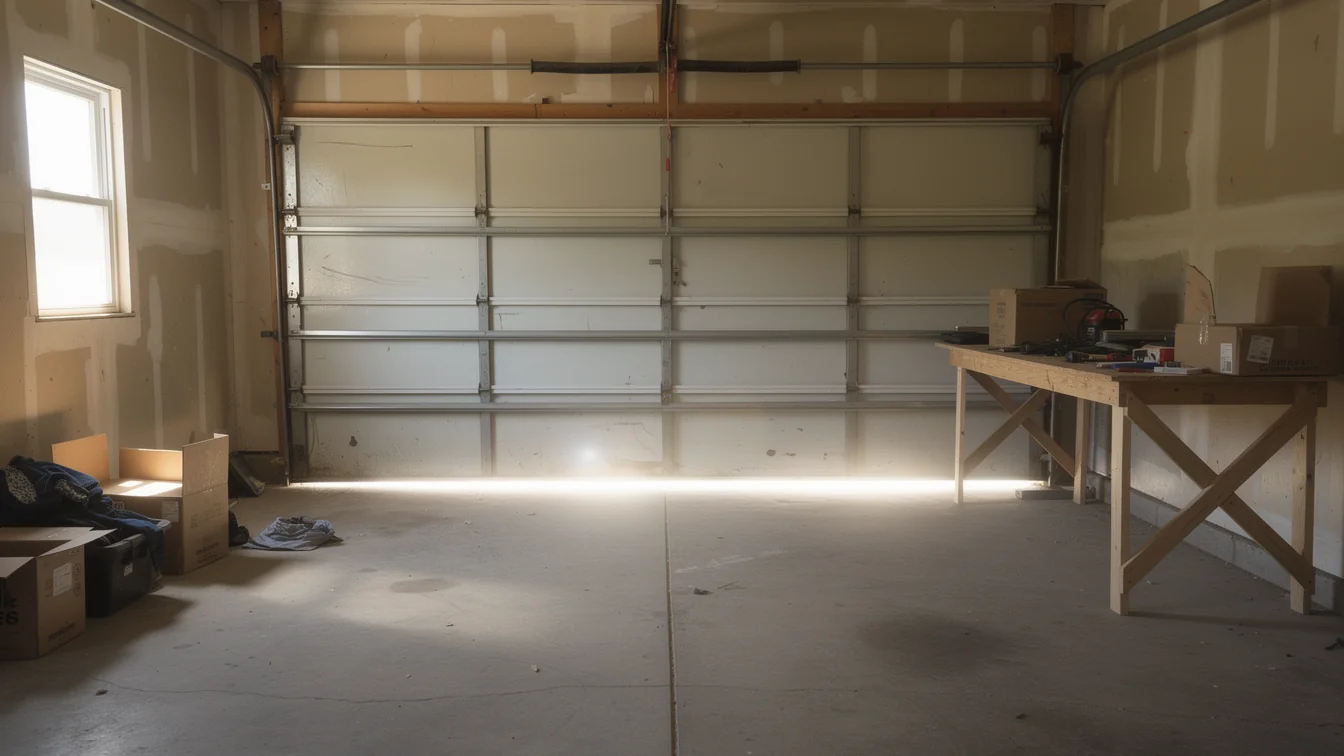
Most of the calls we take start with someone guessing. The door won't go up, so they assume the opener's dead, when the real problem is a spring that's been carrying the weight of that panel since the house was built. Most houses here went up between 1975 and 2018, and the bulk of that stock dates to the 1980s and 90s - which means a lot of the springs, cables, and track brackets we find on a first visit are original to the build. Nobody's touched them in thirty-plus years.
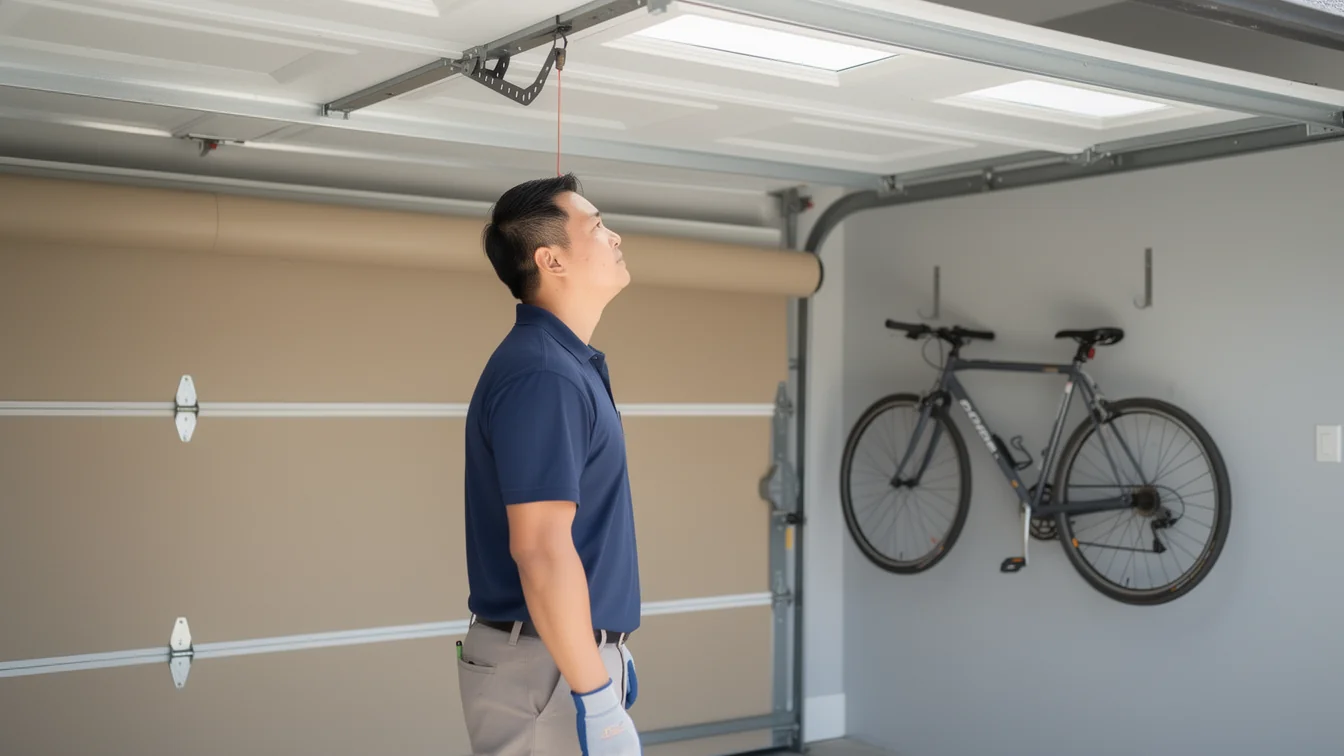
The mistake is treating the symptom instead of the system. A door that's noisy going up might just need rollers, or it might mean the track's out of plumb because the house has settled a little since 1988. A tech doesn't know which until they put eyes on the whole assembly - track, hinges, spring, cable drum, opener gearing - not just the part that's making noise today. That's the actual job on a service call: find what's wearing, not just what's loud.
The area
What the Weather Here Does to It
Killeen sits in a mild climate band with only occasional freeze, so the damage pattern here isn't what you'd see somewhere that gets hard winters. We're not fighting ice jamming a track or a frozen opener gear most of the year. What we're fighting is heat-cycling - garage temperatures swinging through the day, metal expanding and contracting, lubricant drying out faster than the manufacturer's spec sheet assumes.
On hardware that's thirty years old, that cycling shows up as surface rust on galvanized cable and spring coils, brittle rubber on bottom seals, and nylon rollers that have gone from quiet to clattering. The occasional freeze we do get is usually enough to stiffen grease that's already past its service life, which is often when a marginal spring finally lets go. It's not the cold doing the damage on its own - it's the cold finding a part that heat already weakened.
What we find
What Is Going On
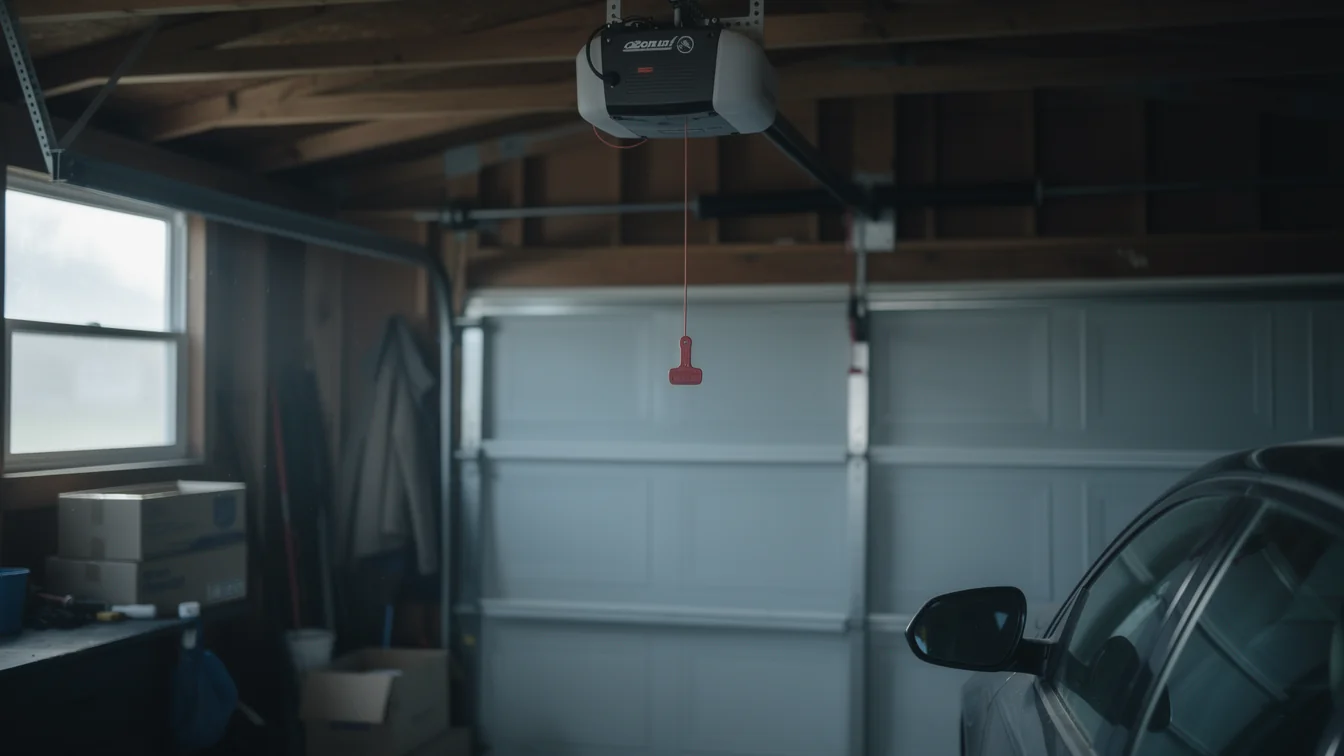
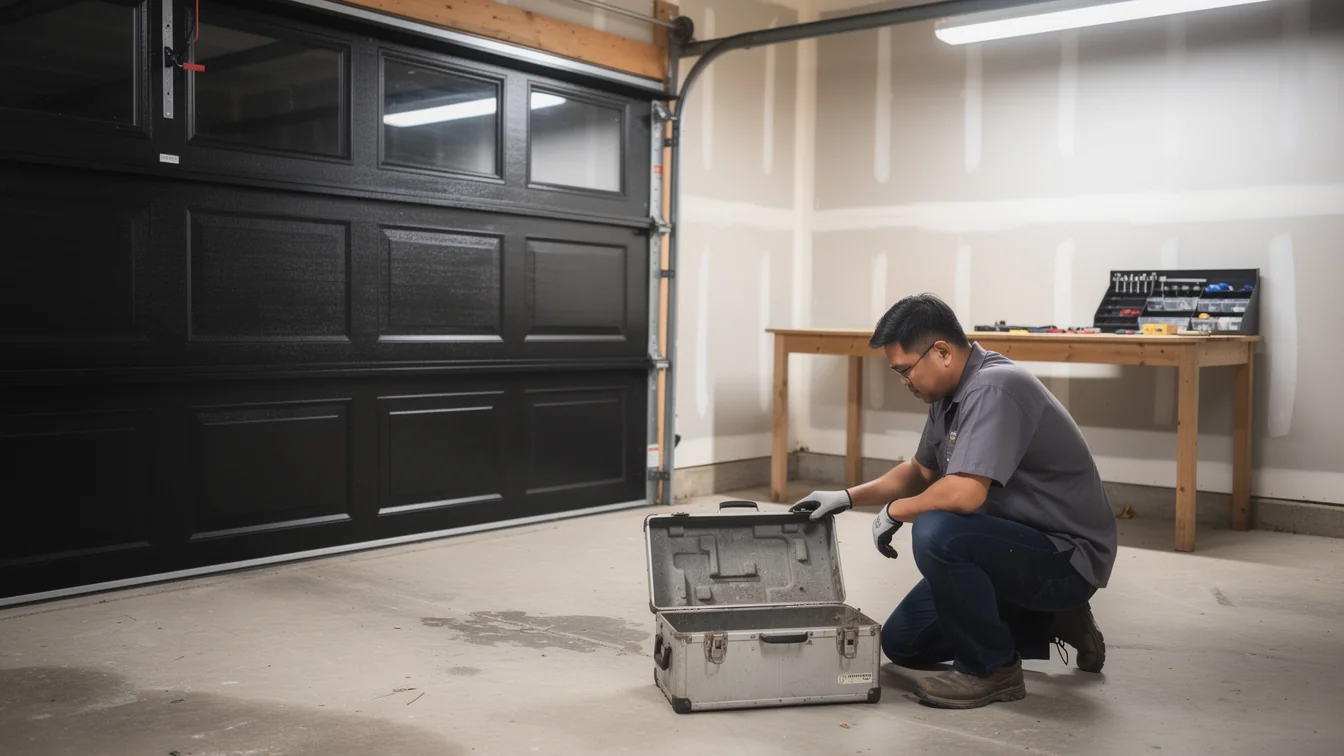
A service call is a diagnosis first, a repair second. The tech checks spring wind and balance, cable wear at the drum, track alignment, hinge and roller condition, and the opener's force and limit settings - in that order, because a door that's out of balance will wear out everything downstream of it faster than it should.
With 19,069 owner-occupied houses across the service area, we see the same handful of hardware generations over and over, which means the parts on the truck are usually sized to match what shipped from the mid-90s on. That's useful, but it has a limit: we don't try to rebuild a spring system that's past its coil life just because a part is technically still turning. Once the galvanizing's gone and the coil's pitted, we replace it rather than patch it - re-lubing a spring that's already fatigued just delays the failure, it doesn't prevent it. That's the one call we'll make that costs you more up front and saves you a second visit.
How we work
What Changes With the Season
Because the climate here stays mild with only occasional freeze, the seasonal pattern isn't dramatic the way it would be somewhere with real winters. Summer heat is the bigger stressor - it's when dried-out lubricant and heat-fatigued rubber seals show up as service calls, not the cold snaps. The few nights a year that do dip toward freezing tend to be when something already weakened by the heat finally gives, which is why late fall and early winter see a bump in spring failures even though the cold itself isn't severe.
If your house falls into that 1980s-90s stock that's common across the area - Fort Hood, Harker Heights, Nolanville, and the rest of the service radius out to Jarrell - the hardware age matters more than the season. A thirty-year-old spring is going to fail eventually regardless of month. What the season does is decide which week.
Talk to a local pro
Garage door trouble in Killeen?
Same-day service with honest, upfront quotes.