
Killeen, TX
Garage Door Spring Repair in Killeen
Broken torsion spring on a garage door in Killeen? Learn why 1980s-90s builder-grade springs fail young in Central Texas heat and how repair works here.
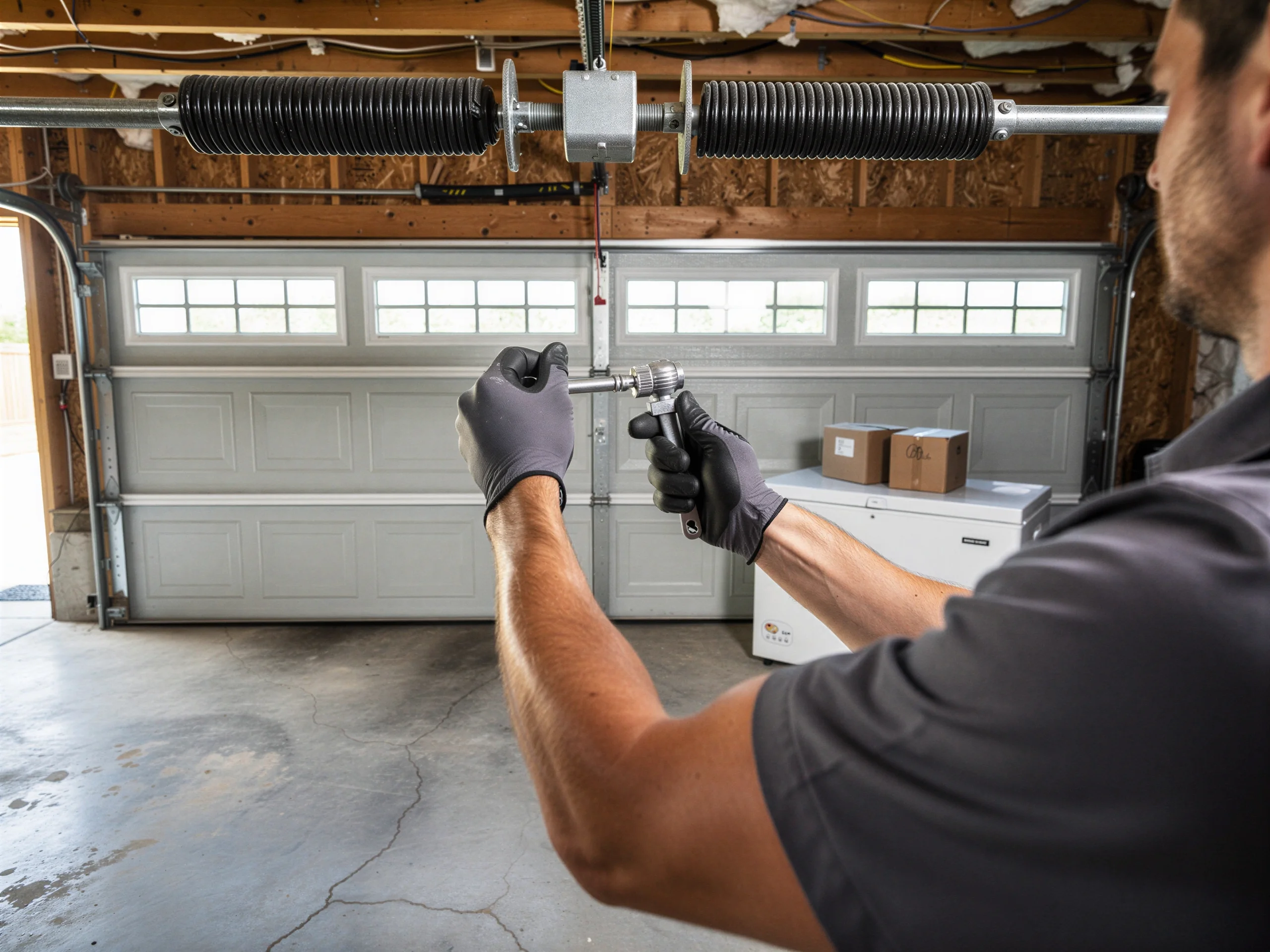
How It Shows Up
The first sign is usually the door itself refusing to move the way it used to. You hit the opener and the door barely lifts, or it lifts an inch and stalls with the motor straining.
Spring-break bang sound
Sometimes you'll hear it before you see it - a loud bang from the garage, often mistaken for something falling off a shelf, that's actually the spring letting go under tension. After that, the door gets heavy fast. If you try to lift it by hand, it feels like dead weight instead of the near-balanced lift a working spring gives you.
Visible gap in coil
On a torsion setup, look above the door at the horizontal bar - a visible gap in the coil, or one side sagging lower than the other, tells you the spring has failed, not the opener. On older two-spring systems, one side can still be intact while the other is gone, which is why the door often goes up crooked instead of just stopping.
Single spring overloads hardware
None of this is an emergency you can leave for next week, because a door running on one working spring puts extra load on the cables and the opener's gears, and that's where a $200 fix turns into a $600 one.
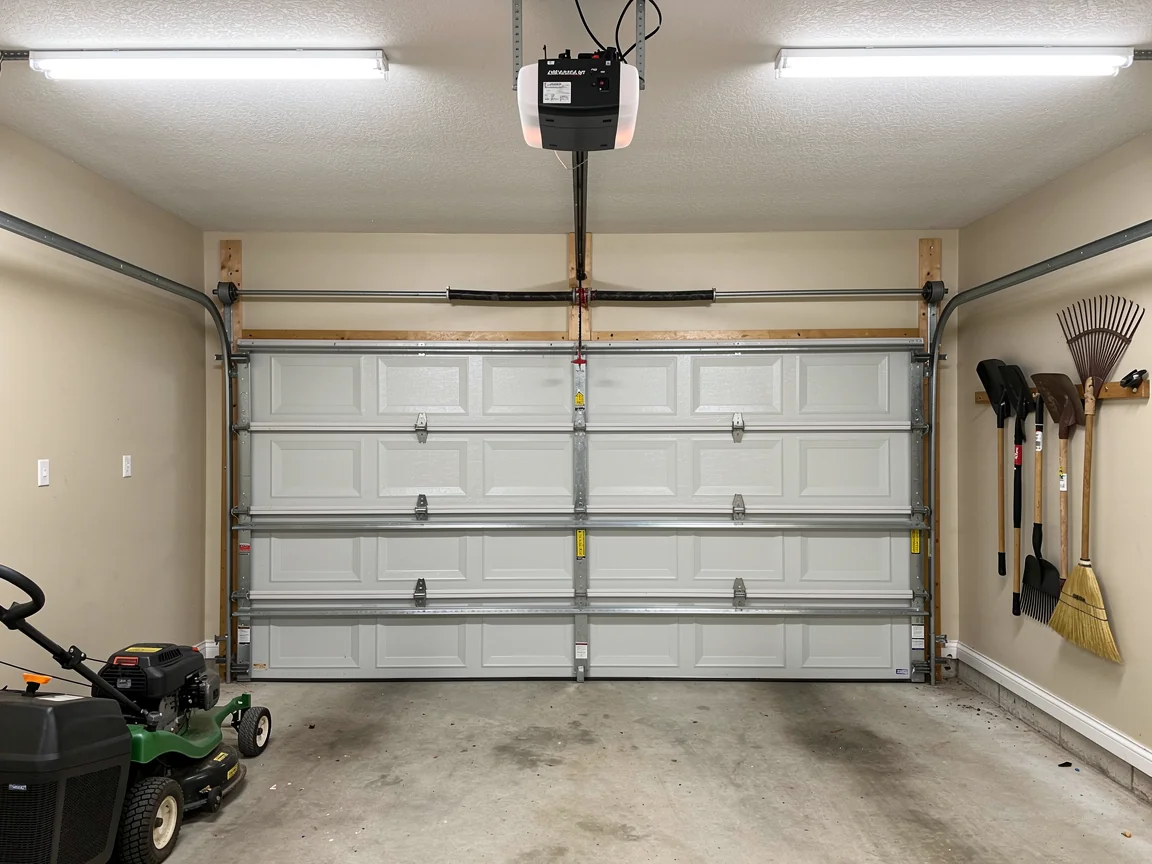
Can You Do This Yourself
A torsion spring is wound under enough tension to break a finger or worse if the winding bars slip, and that's true whether the door is five years old or thirty.
Extension springs not DIY
This isn't a job we recommend handing to a homeowner with a socket set, and we'll say that plainly even though it costs us nothing to stay quiet about it. Extension springs, the kind mounted above the horizontal tracks on some older doors, are a little more forgiving but still store enough force to snap a cable loose under load.
Rule out other causes
What you can safely do yourself: check whether the issue is actually the spring and not a sensor, a bent track, or a dead opener capacitor, since not every stuck door is a spring problem. You can also look at the spring itself for a visible gap or separation, which rules the question in or out before anyone picks up a phone.
Pros with winding bars
Past that point, the honest answer is to call someone with the winding bars and the training to do it. We'd rather lose the sale of a DIY kit than earn a trip to urgent care.
What Can Go Wrong
A broken spring rarely stays an isolated problem for long. Once one side goes, the door's weight shifts onto the cables and the drum, and a cable that's already frayed can snap under that uneven load, which drops the door hard onto the track or onto whatever's underneath it.
Opener strain from dead spring
If the opener keeps trying to lift a door with a dead spring, the motor and gears take the strain the spring was built to absorb, and that wears out an opener years before its time.
Second spring nearly as old
On doors with two springs, a lot of owners replace only the broken one and leave the second, older spring in place - it was wound and installed on the same day, so it's usually just as close to failing. We replace both sides on a two-spring door for that reason, not to upsell a job.
Off-track door escalation
The other failure we see tied to a bad spring is the door coming off its tracks entirely when it drops unevenly, which turns a spring repair into a track and roller repair on the same visit. None of this is rare - it's just what happens when a spring that should've been swapped keeps getting asked to work anyway.
What Causes It Around Here
The housing across this service area was mostly built between 1975 and 2018, with the median build year landing around 1995, and across the eleven communities we cover the bulk of that stock dates to the 1980s and 90s. That matters because torsion and extension springs are rated for a cycle count, not a calendar date, and a spring installed when a house was framed in 1988 is well past its working life by now regardless of how the door looks. Across the 46,120 households in this area, 19,069 are owner-occupied houses, and a large share of them are still running the original builder-grade spring that came with the garage. The region sits in a mild climate band with occasional freeze swings rather than deep winters, so this isn't about ice cracking metal the way it might further north - it's wear from thousands of open-close cycles on a spring nobody's thought about since move-in day. From Fort Hood five miles out to Jarrell twenty miles north, the same era of housing stock is aging out at roughly the same time, which is why spring calls cluster the way they do across this whole stretch rather than in just one neighborhood.
Questions
Common questions
How do I know if it's the spring and not the opener?
If the opener motor runs but the door won't lift, or lifts only partway before stalling, that points to a spring rather than the opener itself. A dead opener usually won't make any effort at all. Check the spring above the door for a visible gap in the coil - that confirms it without guessing.
Should I replace one spring or both?
On a two-spring door, we replace both even if only one broke, because they were installed on the same day and carry the same wear. Leaving the older one in means a second service call within a year or two in most cases, which costs more overall than doing it once.
Is a broken spring dangerous to leave overnight?
It's not an immediate hazard if the door is down and you leave it alone, but don't try to open it on the opener or by hand. The weight shifts onto cables and the opener's gears that aren't built to carry it, and that's how a spring problem turns into a cable or opener problem.
Why did my spring break so much sooner than I expected?
Springs are rated by cycle count, not years, and a lot of houses in this area are running the original builder-grade spring installed when the house went up in the 1980s or 90s. That spring has already done more open-close cycles than it was rated for, regardless of how new the door looks.
Explore more
Explore More Services In Killeen, TX
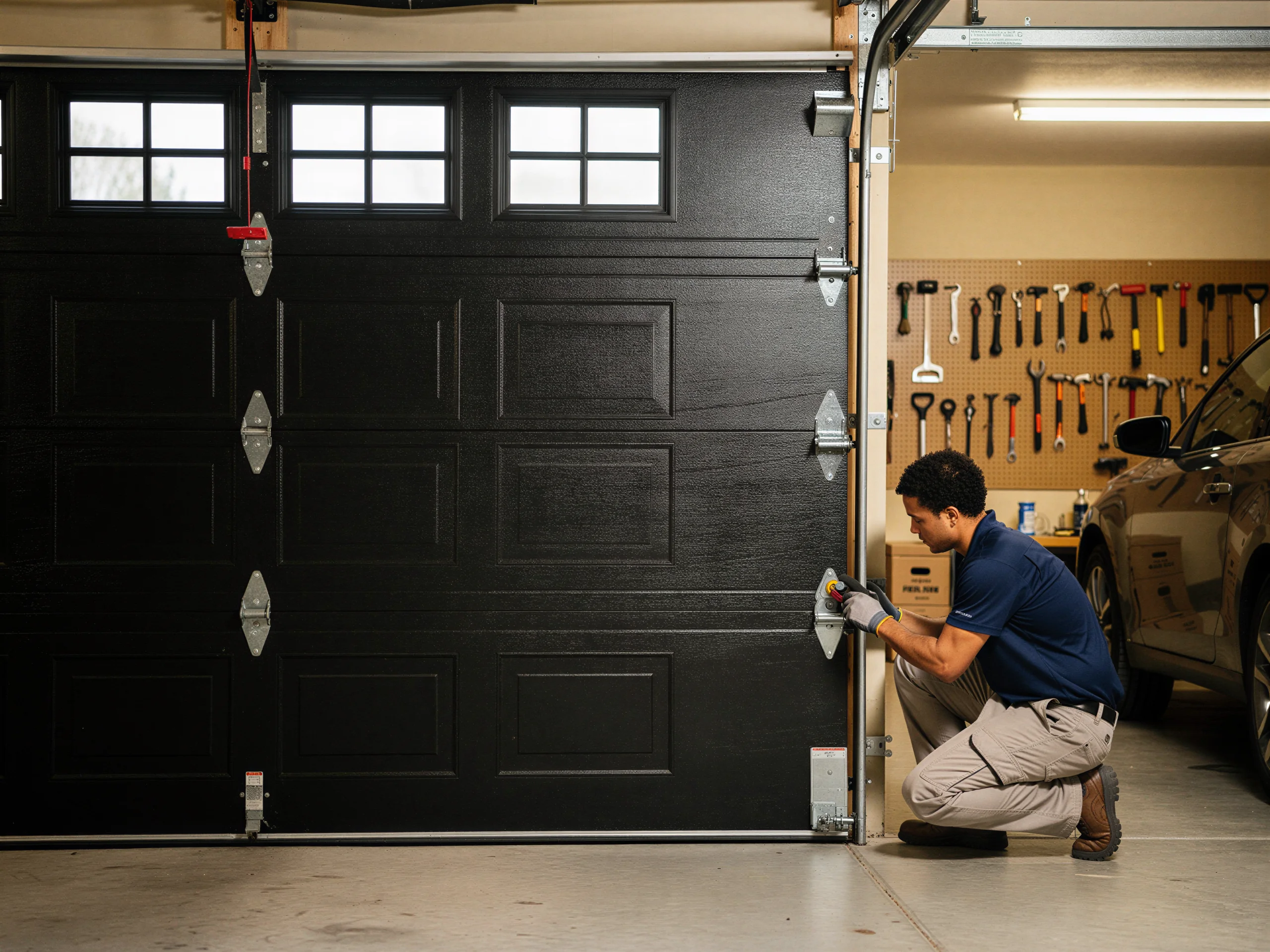
Garage Door Repair in Killeen, TX
Garage door repair in Killeen, TX for homes built from 1975 to 2018. Learn more →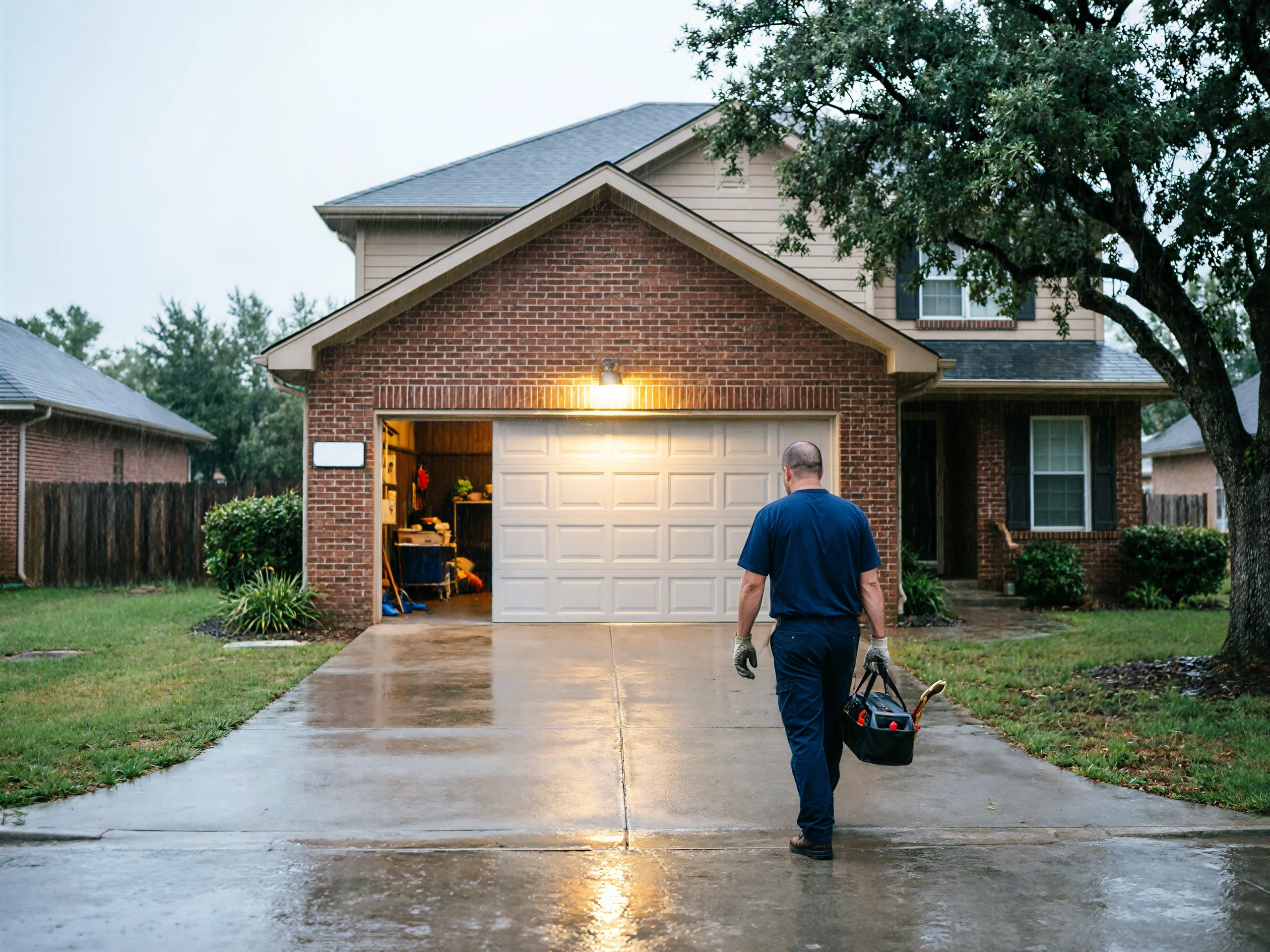
Emergency Garage Door Repair Across the Killeen Area
Broken spring, stuck opener, or jammed track in Killeen? Learn more →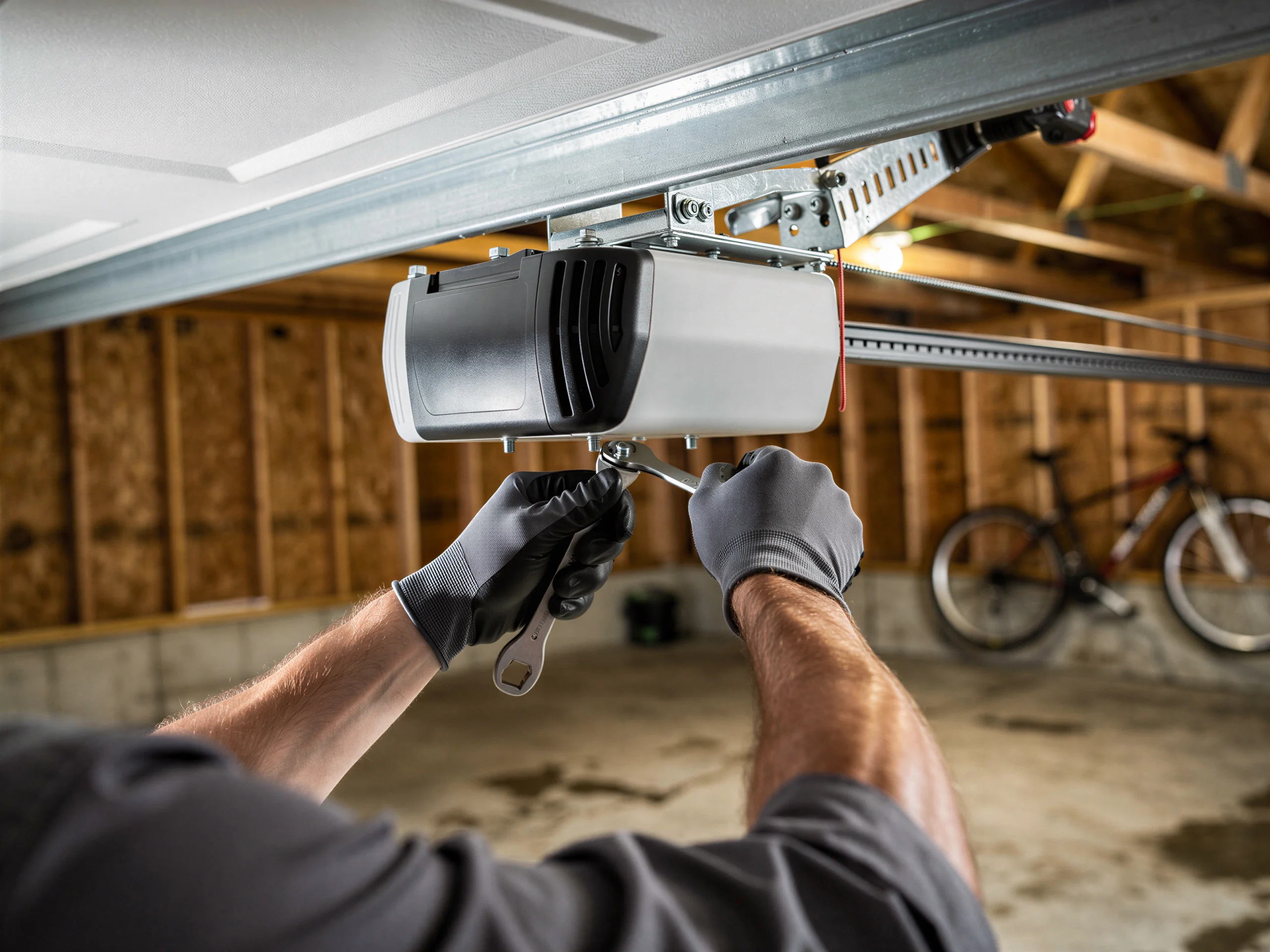
Garage Door Opener Installation Across the Killeen Area
Killeen Garage Door Pros installs garage door openers built for 1980s-90s area housing stock and mild-with-freeze weather, serving homes across the Killeen service area. Learn more →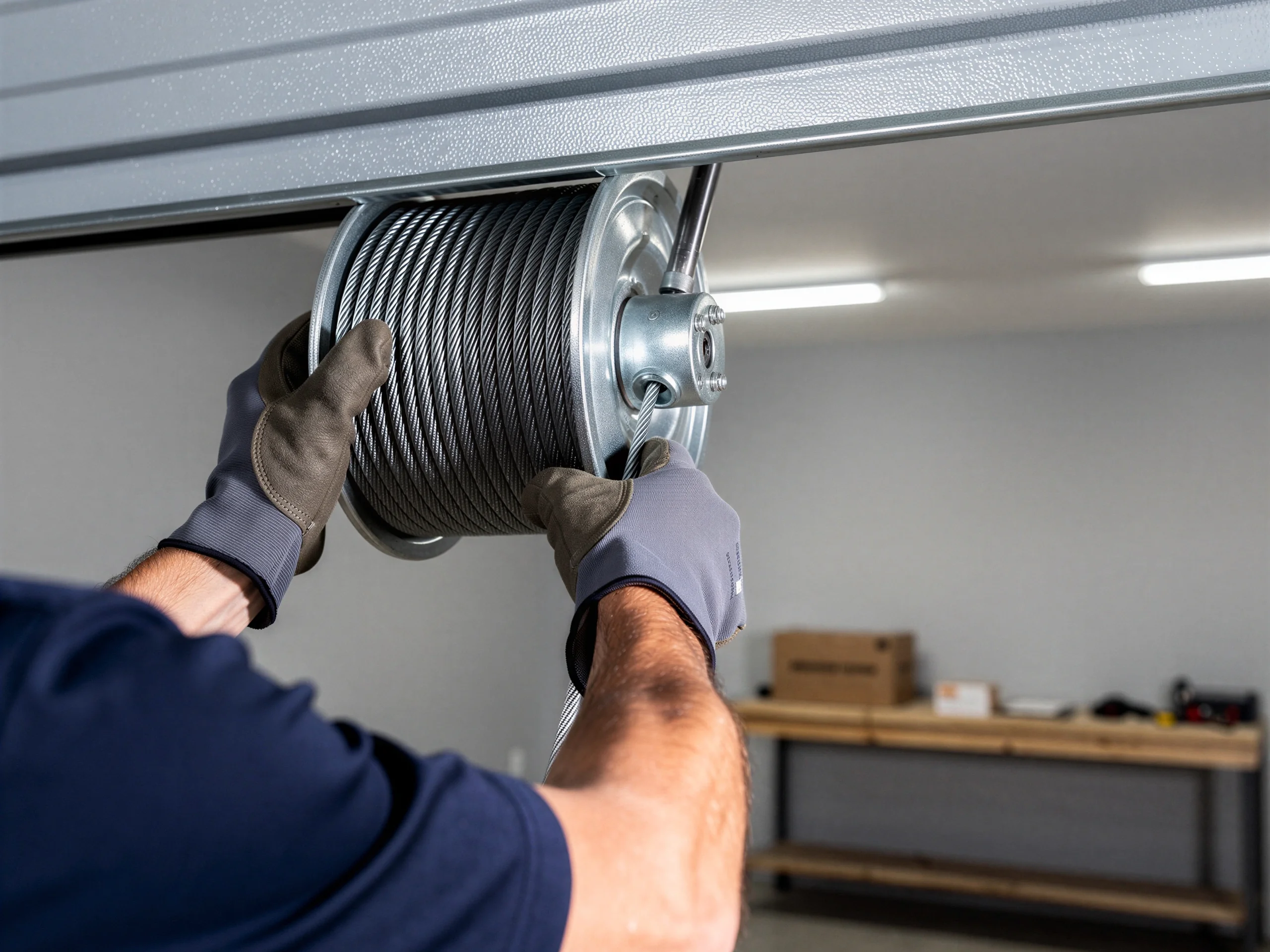
Garage Door Cable Repair in Killeen, TX
Broken or frayed garage door cables in Killeen, TX put doors off-track fast. Learn more →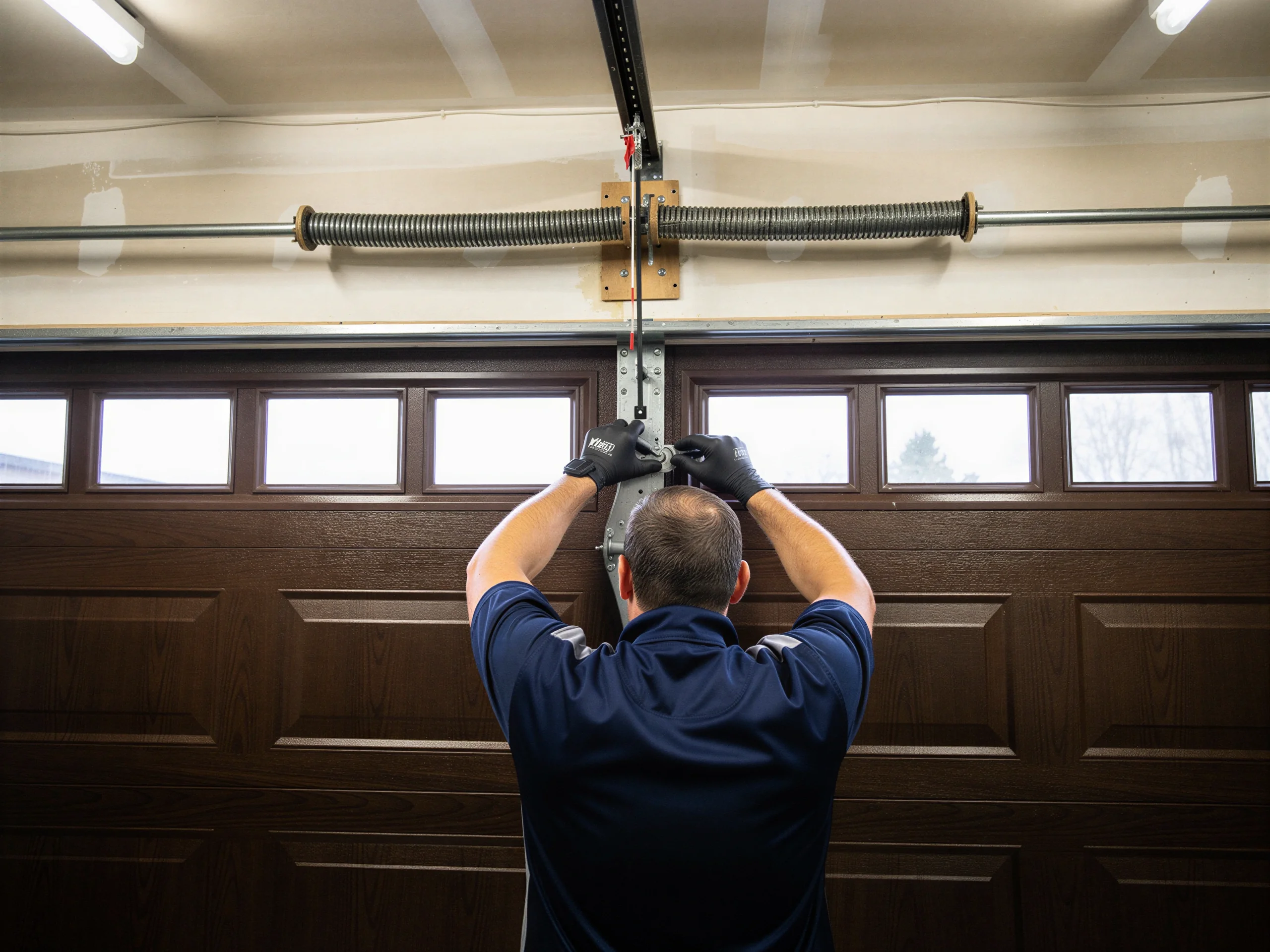
Garage Door Service in Killeen, TX
Most Killeen garage doors date to the 1980s and 90s, matched to openers and springs built for that era. Learn more →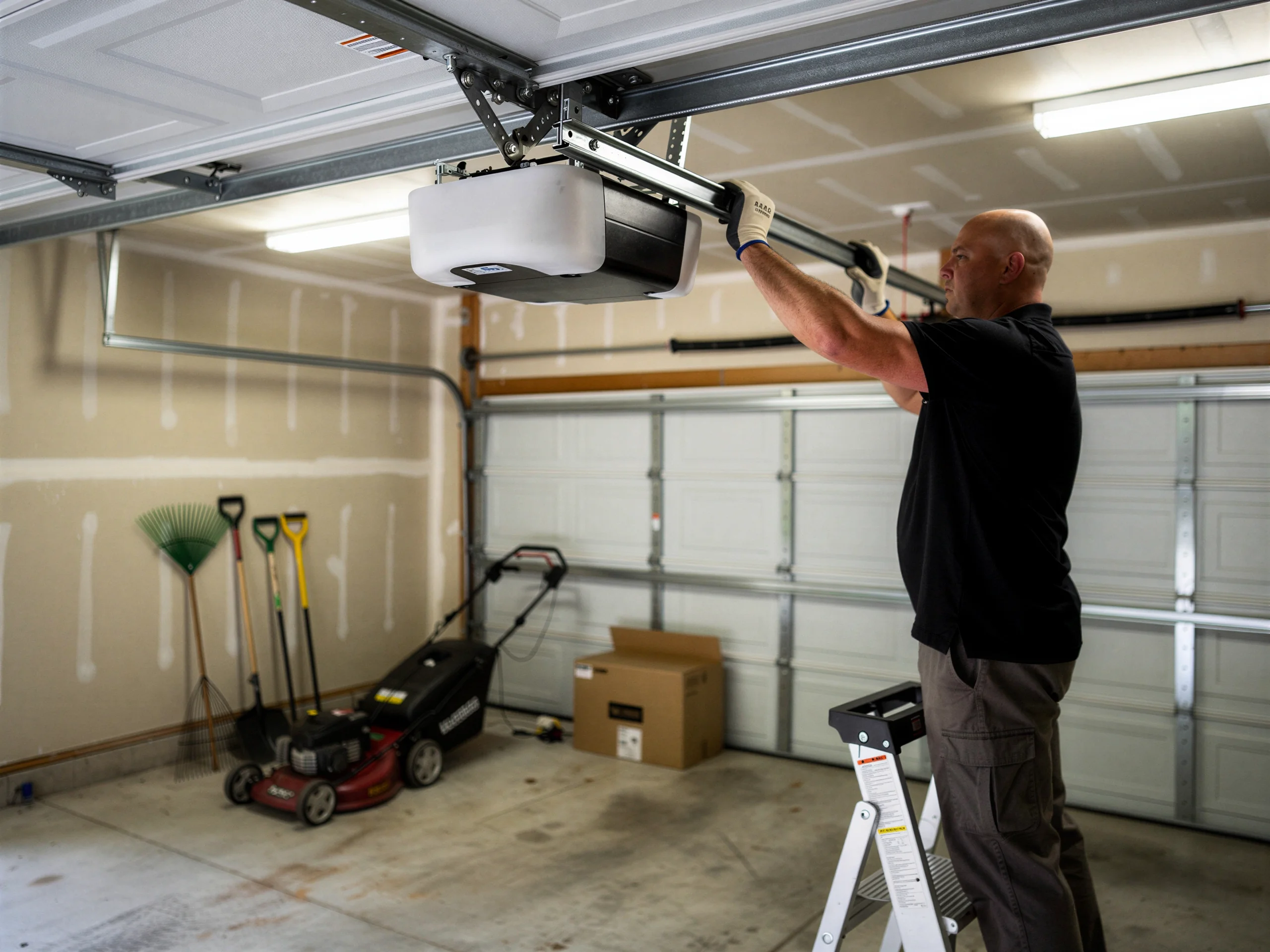
Garage Door Opener Repair Across the Killeen Area
Garage door opener repair in Killeen, TX for homes built 1975-2018. Learn more →Ready when you are
Broken garage door spring in Killeen?
Killeen Garage Door Pros repairs and installs garage doors, springs and openers in Killeen, TX and the surrounding area.